Which Nobel implant for soft bone — and why the shape matters there
Soft bone is the most common reason an implant cannot be loaded early, and the most common reason a straightforward case turns into a staged one. Design genuinely matters here.
What this article establishes
- Bone density is graded, and the back of the upper jaw is usually the softest site
- Condensing implant designs exist specifically to achieve stability where bone is poor
- Soft bone rarely rules out implants; it usually changes the timeline rather than the answer
What “soft bone” actually means
Bone is not one material. Clinicians grade jaw bone by density, roughly from a dense, largely solid structure through to bone that is mostly a sponge-like inner layer with a thin outer shell.
The back of the upper jaw is usually the softest site in the mouth. It has a thinner outer plate, a more open internal structure, and — after teeth have been missing a while — the maxillary sinus expanding down into the space from above.
The front of the lower jaw is typically the densest. Which is why the same patient can have a completely straightforward implant in one position and a demanding one two centimetres away.
If you have been told you have soft bone, you have most likely been told it about the upper back region.
Why it changes the treatment
Soft bone does not usually stop an implant. It changes when the tooth can go on it.
An implant needs to sit tightly on the day it is placed — primary stability — before a tooth can be loaded onto it. That tightness comes from the bone gripping the implant. In dense bone it comes easily. In soft bone the same implant, prepared the same way, may turn in with far less resistance.
The surgeon reads this as a number during your operation, usually insertion torque. A low reading does not mean the implant will fail. It means loading it early would be a gamble, so it heals undisturbed while bone grows onto the surface and secondary stability builds.
So the practical consequence of soft bone is usually a longer timeline, not a refusal — and occasionally a different design.
Where implant design genuinely earns its place
Most comparisons between implant systems overstate how much the choice matters. Soft bone is the exception, and it is worth understanding why.
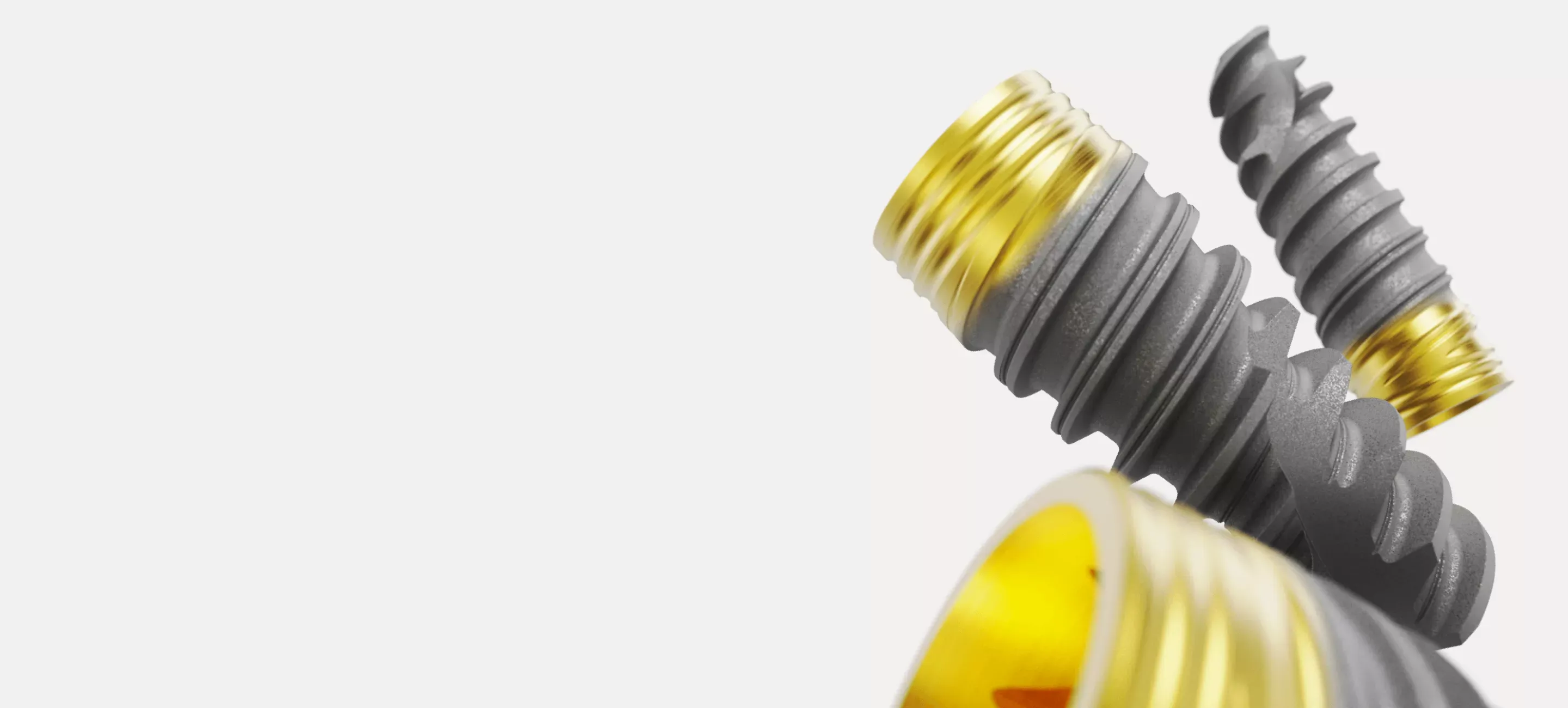
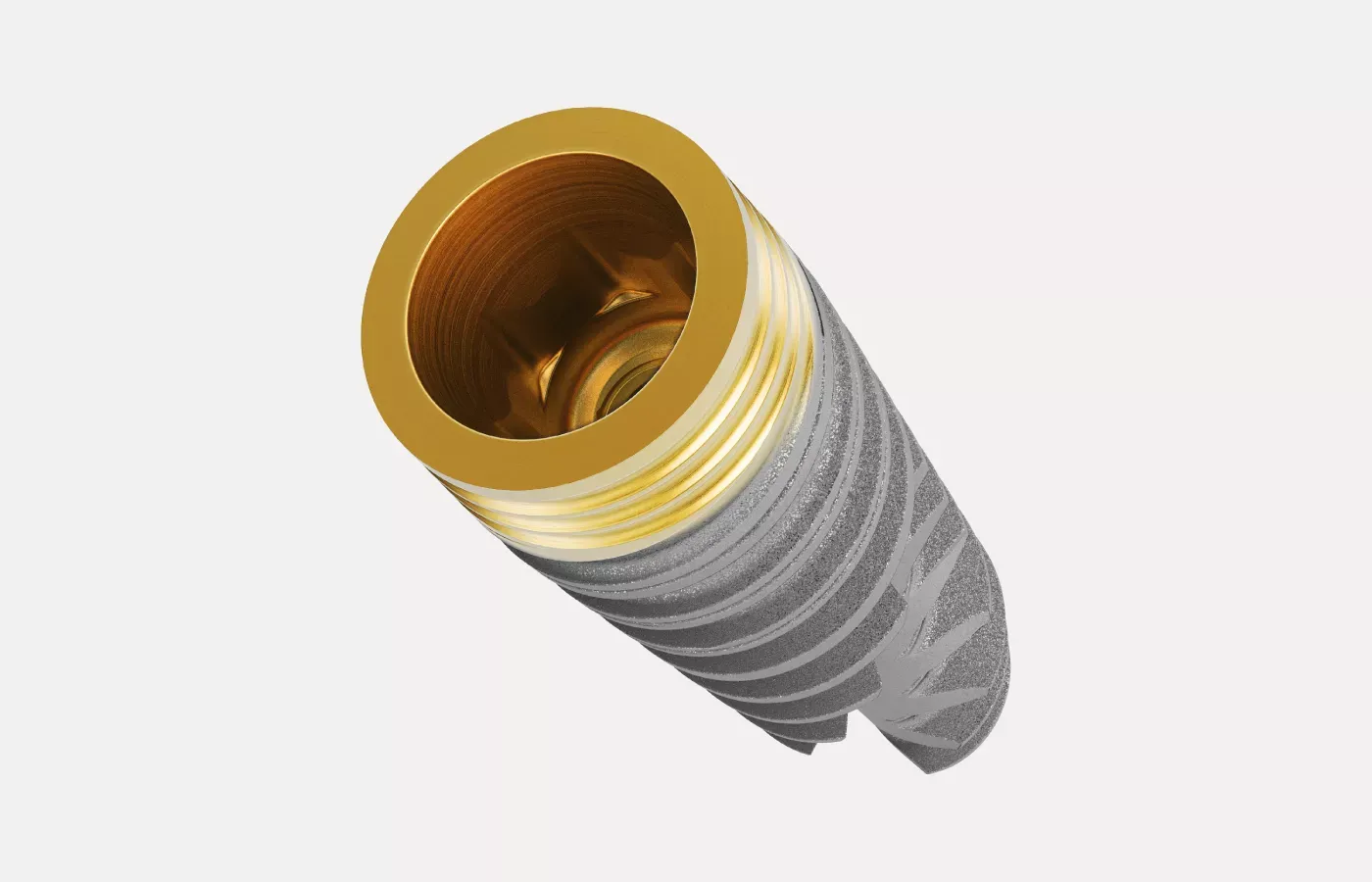
A condensing, tapered implant compacts bone sideways as it advances rather than simply occupying a cut channel. In bone that is soft and open, that compaction is what produces a usable grip. NobelActive is described by its manufacturer as designed to support high primary stability including in soft bone, and that is precisely the problem it exists to address.
The independent literature is relevant here too. Alongside a single-centre retrospective analysis of 1,001 consecutively placed implants of this design, there is a seven-year cohort in patients carrying local and systemic risk factors — the harder group, deliberately included rather than excluded. That is the population most likely to have poor bone.
A parallel-walled implant in the same site removes less bone but relies on the bone already being firm enough to hold it. In dense sites that conservatism is an advantage; in soft ones it is the wrong tool.
This is why the surgical team at Taki Dent varies the design by position rather than by preference, and why it is entirely normal for one jaw to receive two different implant designs in a single appointment.
What else changes in soft bone
Design is one lever. Technique is several more.
Under-preparation. The channel is deliberately prepared narrower than the implant, so it engages more tightly. A judgement made site by site.
Osteotomes rather than drills. Instruments that compress bone outward instead of cutting it away.
Deeper engagement. Reaching further to catch the denser floor of the sinus or the cortical plate, where the anatomy permits.
Wider or longer implants. More surface in contact with bone, where the ridge can accommodate it.
Waiting. The least glamorous and most reliable option. Longer healing before loading.
None of this is exotic. It is routine implant surgery, and it is the difference between a plan built around your bone and a plan applied regardless of it.
What it means for same-day teeth
Directly, and this is the disappointment worth preparing for.
Immediate loading — a fixed temporary tooth soon after surgery — depends on the stability reading. Soft bone makes a low reading more likely, which makes waiting more likely.
If a clinic has promised you teeth on the day and also mentioned that you have soft bone in the upper jaw, those two statements are in tension. Ask directly what happens if the readings do not support loading. The honest answer is that healing abutments go on and the teeth follow later, and hearing that in advance is far better than hearing it on the day.
For a full arch there is a middle path: implants in the denser anterior region may achieve good readings while posterior ones do not, and a provisional bridge can sometimes be supported by the front implants alone while the back ones heal.
When grafting enters the conversation
Soft bone and insufficient bone are different problems, though they often travel together.
If there is enough bone but it is soft, the answer is usually design, technique and patience. If there is not enough bone — too little height under the sinus, too narrow a ridge — the answer is grafting or a sinus lift first, and then an implant into the rebuilt site.
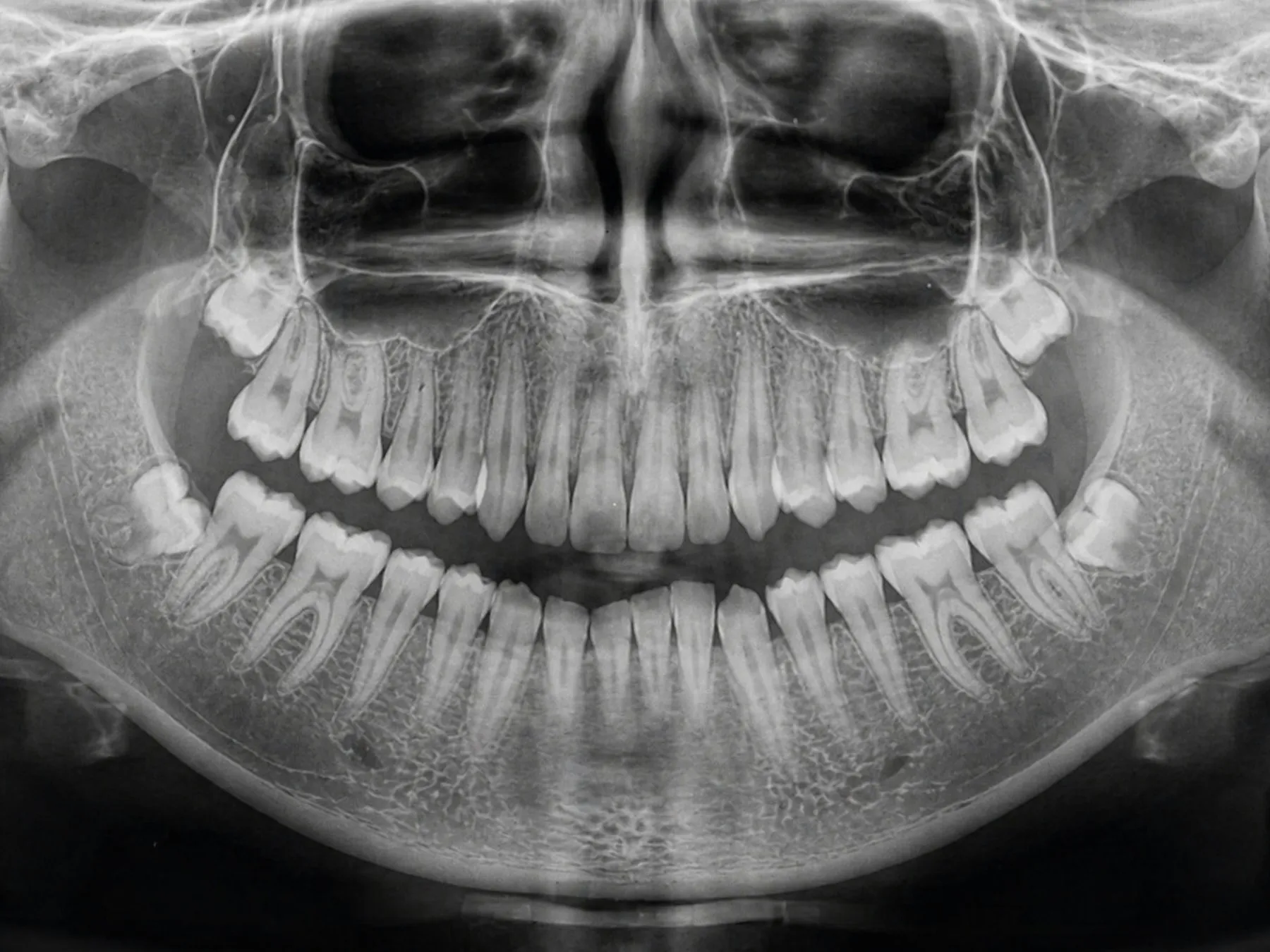
Only a CBCT scan distinguishes the two. A panoramic radiograph shows height reasonably and width not at all, and it says nothing useful about density. This is the single most common reason an online quote turns out to be incomplete once a patient is in the chair.
How density is actually measured
Two ways, and knowing the difference helps you interpret what you are told.
Before surgery, from the CBCT. Scans give a numerical value for tissue density, and clinicians read those values across the planned implant site to predict what they will meet. It is an estimate rather than a certainty — scan settings and artefacts from existing metalwork can distort it — but it is enough to plan around and it is the reason a CBCT changes the conversation.
During surgery, from the drill. An experienced surgeon feels bone density directly as the site is prepared. Bone that offers almost no resistance tells them immediately what the scan suggested, and occasionally contradicts it.
That second reading is why plans for soft-bone cases sensibly carry a branch: the technique may change once the surgeon is in the site. A plan with no alternative written into it was made without expecting reality to have an opinion.
What soft bone does not mean
Three reassurances, because this is a phrase that alarms people more than it should.
It does not mean your bone is diseased. Density varies normally between people and between regions of the same jaw. Soft bone in the posterior maxilla is the ordinary state of affairs, not a pathology.
It does not usually mean you cannot have implants. In the great majority of cases it changes the technique and the timeline rather than the answer.
It does not mean the implant will fail. The seven-year cohort mentioned above deliberately included patients with local and systemic risk factors precisely to see what happens in the harder group — which is the population you would be in, and which is why that study is more useful to you than a series of ideal cases.
What it does mean is that promises made before anyone measured anything are worth less in your case than in most.
Soft bone and the lower jaw
Almost everything written about soft bone concerns the upper jaw, so the exception deserves a note.
The lower jaw is generally denser, and the front of it can be dense enough to create the opposite problem: bone so hard that preparing the site generates heat, and overheating bone during preparation is itself a cause of early failure. Surgeons manage this with copious irrigation, sharp instruments and a slower approach.
So density is a spectrum with difficulties at both ends, and the useful question is never “is my bone good” but “what does my bone require”.
Questions worth asking
- What is the bone density at my planned sites, and where did that come from? The answer should reference the CBCT.
- Which implant design are you planning there, and why that one for this bone?
- What insertion torque would you want before fitting a temporary tooth? A clinician who works to a threshold has thought about it.
- What is the plan if the reading comes in low? Every honest plan has one.
The short version
Soft bone is common, it is manageable, and it is one of the few situations where the implant design genuinely changes what is possible. What it usually costs you is time rather than the treatment itself.
A final diagnosis and treatment plan can only be confirmed after clinical examination and appropriate radiological assessment. Send a CBCT scan — the one imaging that actually shows density — and the clinical team at Taki Dent can tell you what your bone looks like at the planned sites, which design that points to, and whether early loading is realistic in your case.