Nobel Biocare implant systems
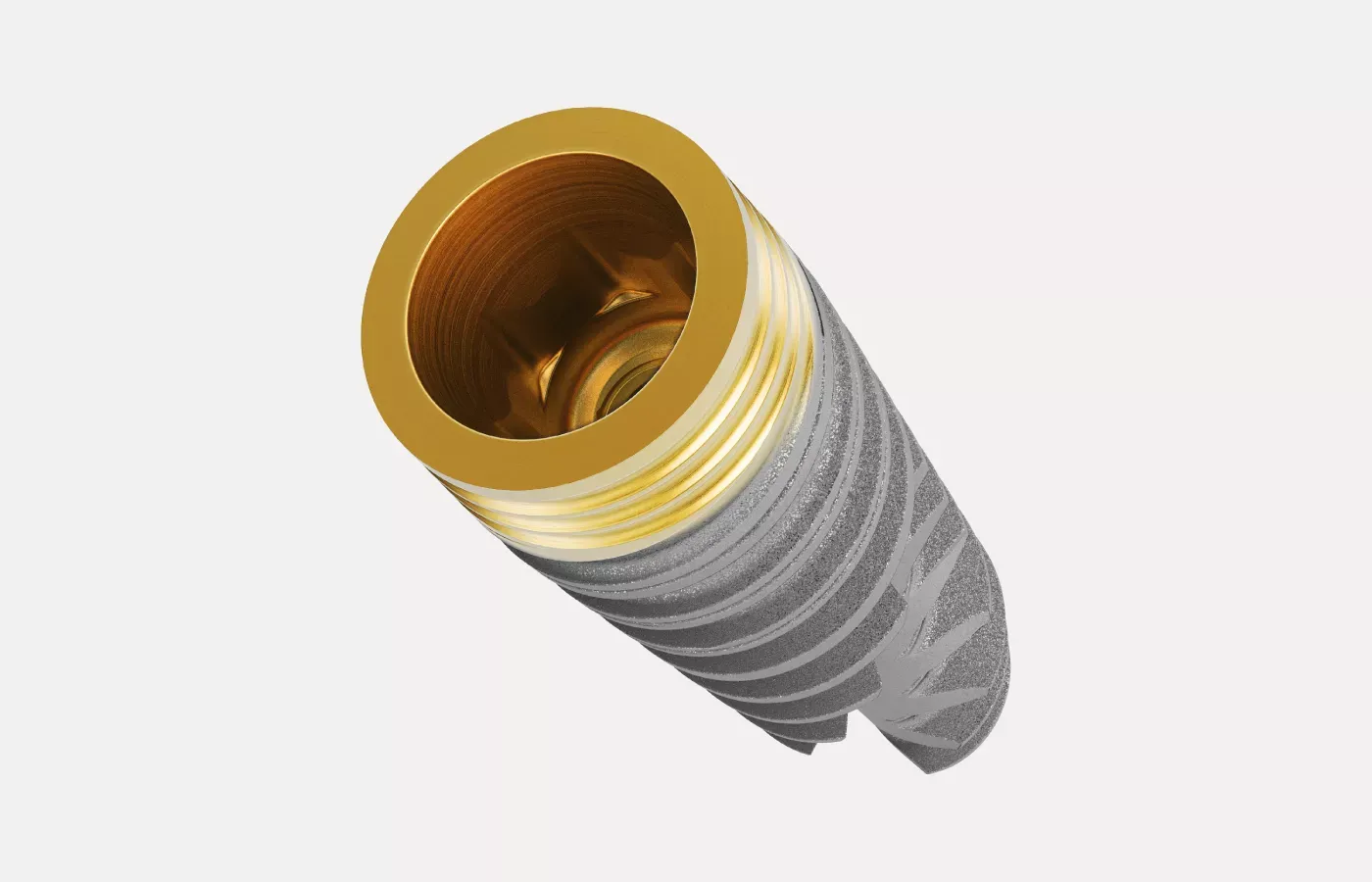
Nobel Biocare produces several implant designs, connections, surfaces and restorative component ranges. The appropriate system is selected according to your anatomy, the restorative requirements of your case and the surgical plan — not by brand preference and not by price tier.
These pages explain what each system is, the situations where it may be considered, why a clinician might choose it, and — the section most sites leave out — when they would choose something else instead.
-
NobelActive®
Built for the sockets other implants find difficult
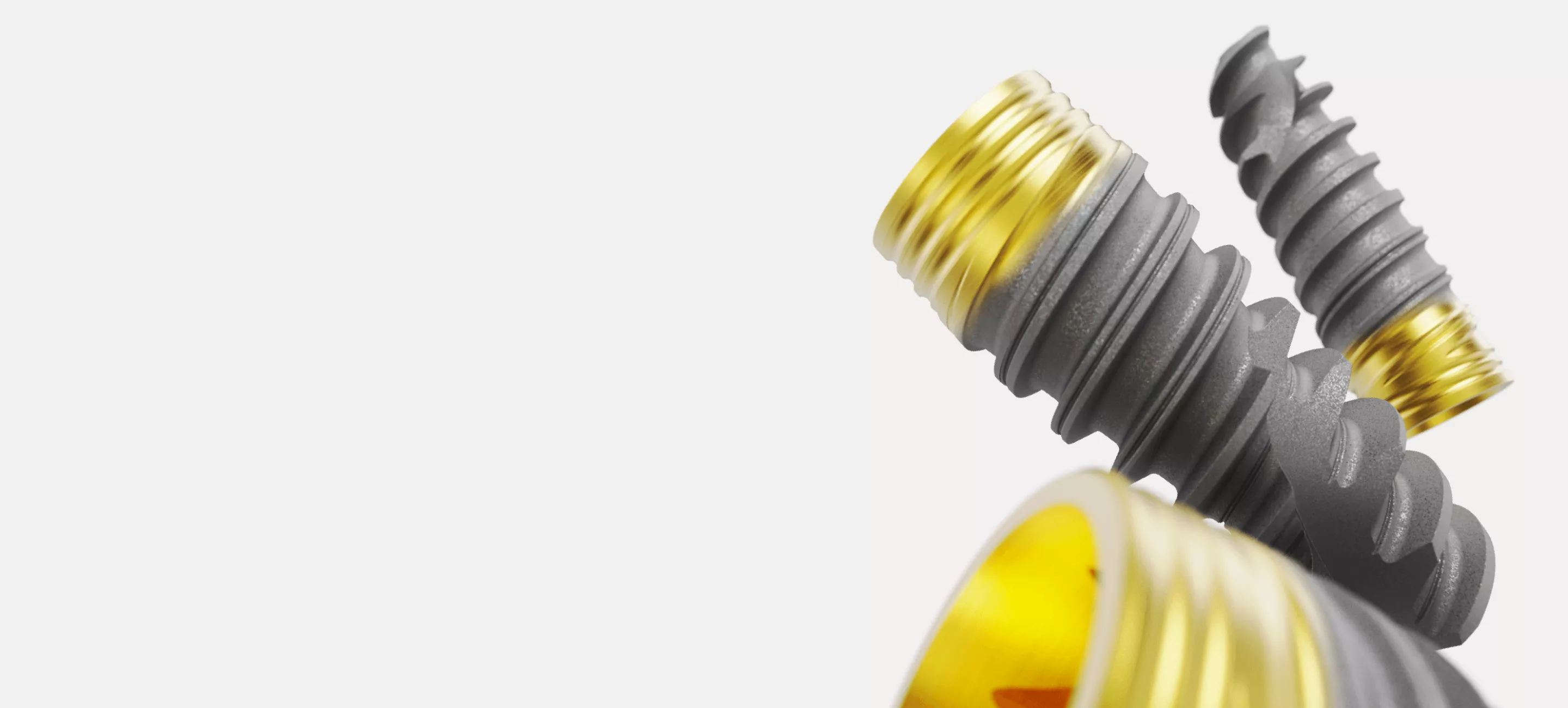
NobelActive is a tapered implant with an aggressive, condensing thread design. As it is placed, it compacts the bone around it rather than simply cutting a channel through it.
- Implant body
- Tapered, bone-condensing
- Thread design
- Variable-thread, expanding
- Connection
- Conical connection with internal hex
-
NobelParallel™ CC
The straight-walled workhorse, from one tooth to a full arch
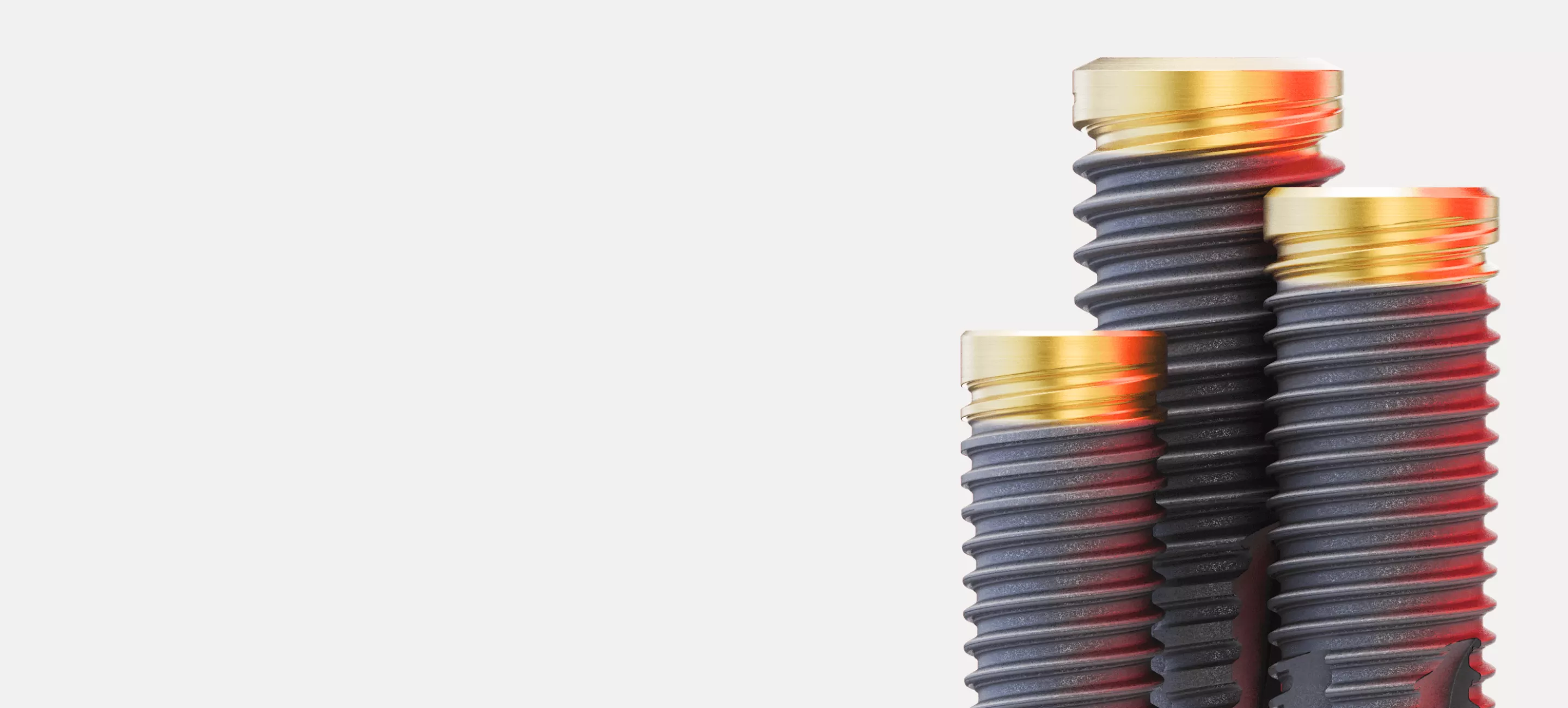
NobelParallel Conical Connection is a parallel-walled implant — the same diameter along its length, rather than tapering to a point. That shape removes less bone during preparation and is more forgiving if the prepared channel is fractionally off, which is why it is often the choice in a healed ridge of reasonable density.
- Implant body
- Parallel-walled
- Thread design
- Straight, self-tapping
- Connection
- Conical connection with internal hex
-
NobelReplace® CC
A tapered body for straightforward, well-understood cases
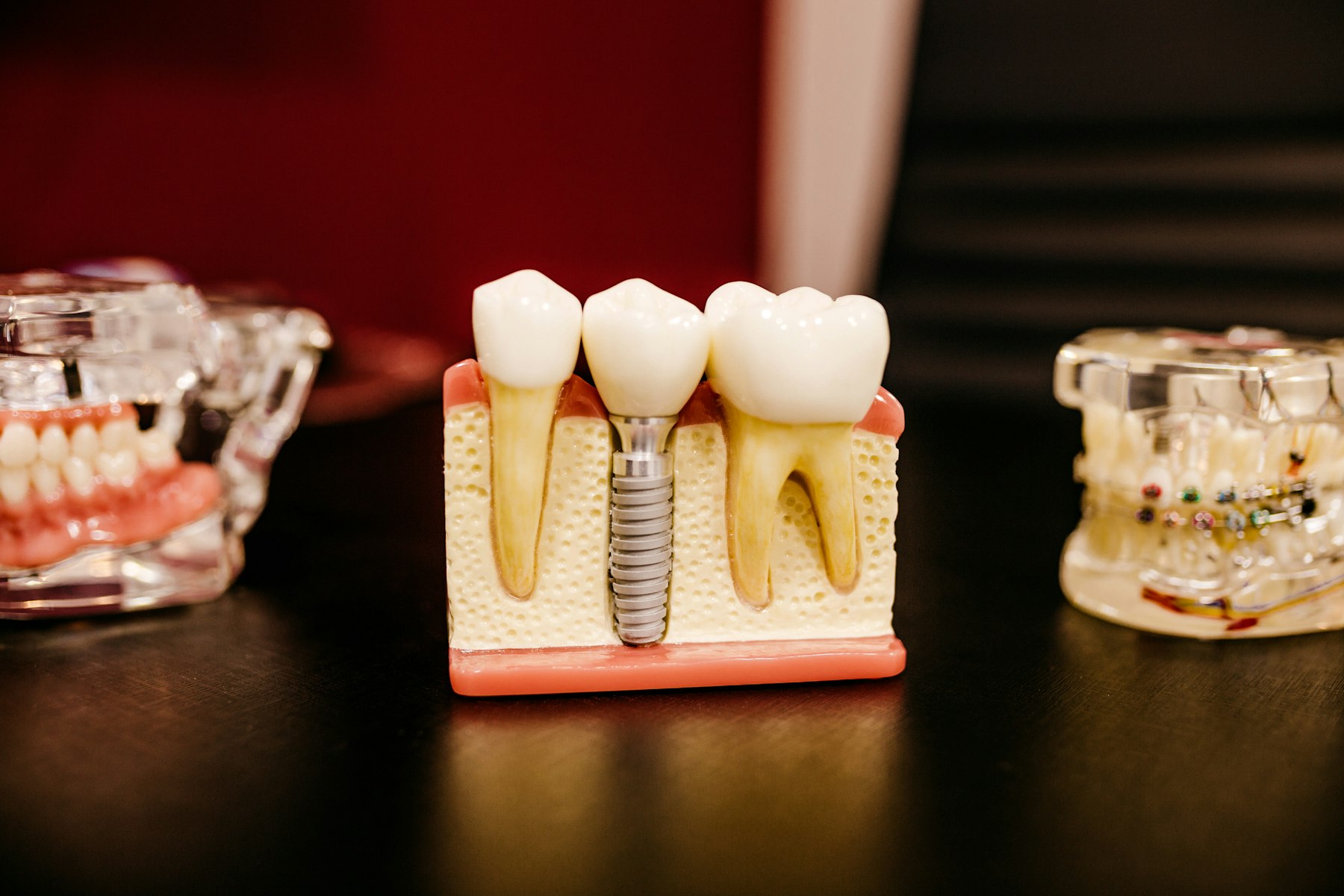
NobelReplace Conical Connection is a tapered implant intended for a broad range of everyday restorative situations — most often a single missing tooth in bone that is adequate but not generous. Its root-like shape lets it sit in a site where the space between adjacent roots is narrow at the tip, and it shares the conical connection used across the range, so the abutment and crown options are the familiar ones.
- Implant body
- Tapered
- Thread design
- Self-tapping
- Connection
- Conical connection with internal hex
-

Nobel Biocare N1™
A system, not just a fixture — the site preparation changes too
N1 is the newest system in the Nobel Biocare range, and the important thing to understand about it is that it is not simply a differently shaped implant. The manufacturer defines it as a complete system: a dedicated site-preparation protocol, an implant body with a trioval rather than round cross-section, and its own restorative components.
- Implant body
- Trioval cross-section
- Site preparation
- Dedicated N1 protocol, not conventional drilling
- System scope
- Instruments, implant and restorative components together
-
NobelZygoma™
For severe upper-jaw bone loss, where conventional implants have nothing to hold
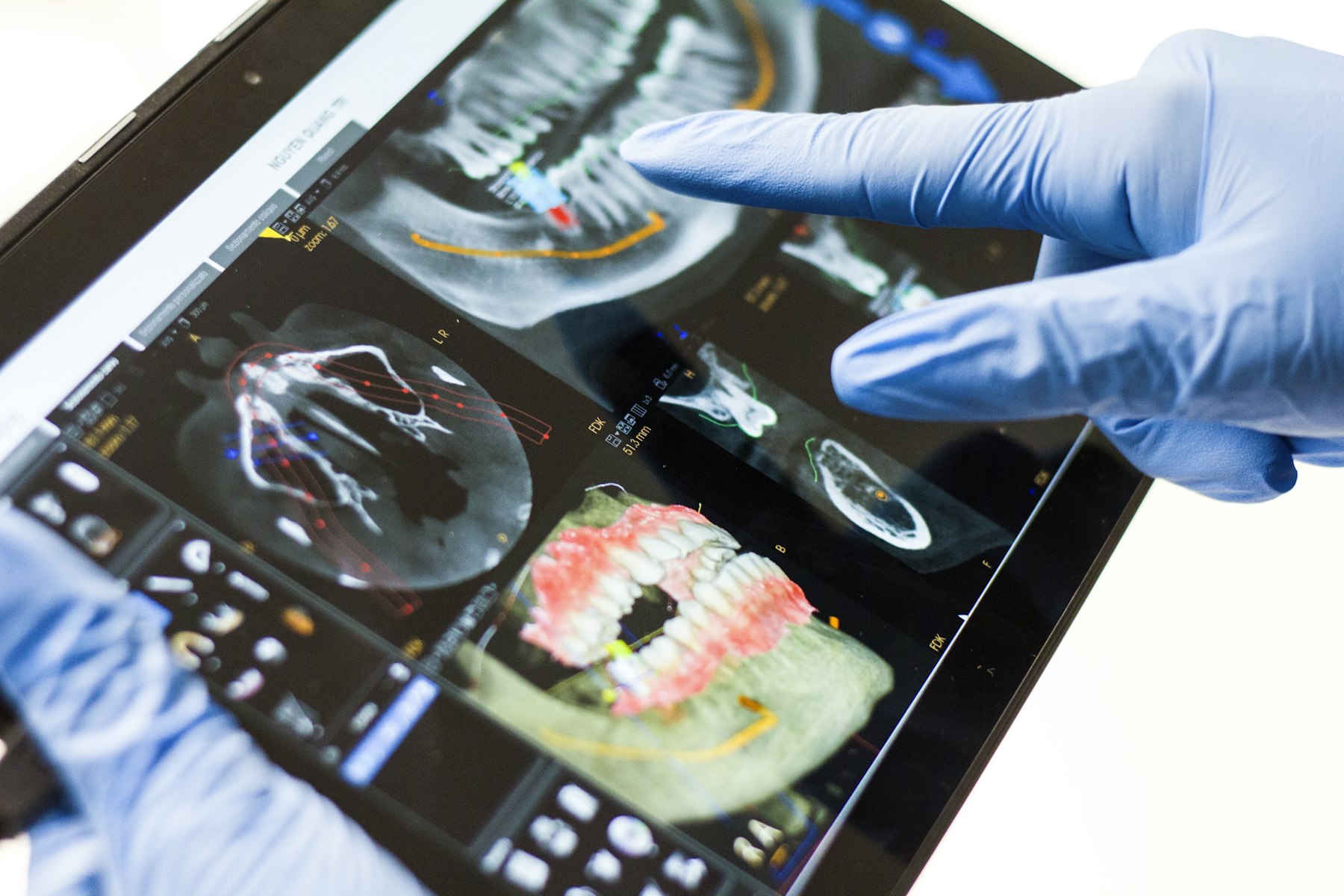
Zygomatic implants are long implants that pass through the upper jaw and anchor in the cheekbone — the zygoma. They exist for one reason: some upper jaws have lost so much bone that no conventional implant can find enough to hold, and grafting would mean a long, staged reconstruction.
- Anchorage
- Zygomatic (cheek) bone rather than the alveolar ridge
- Implant length
- Substantially longer than conventional implants
- Planning imaging
- CBCT required
-
Nobel Biocare S Series
The same three implant bodies, brought onto one prosthetic connection
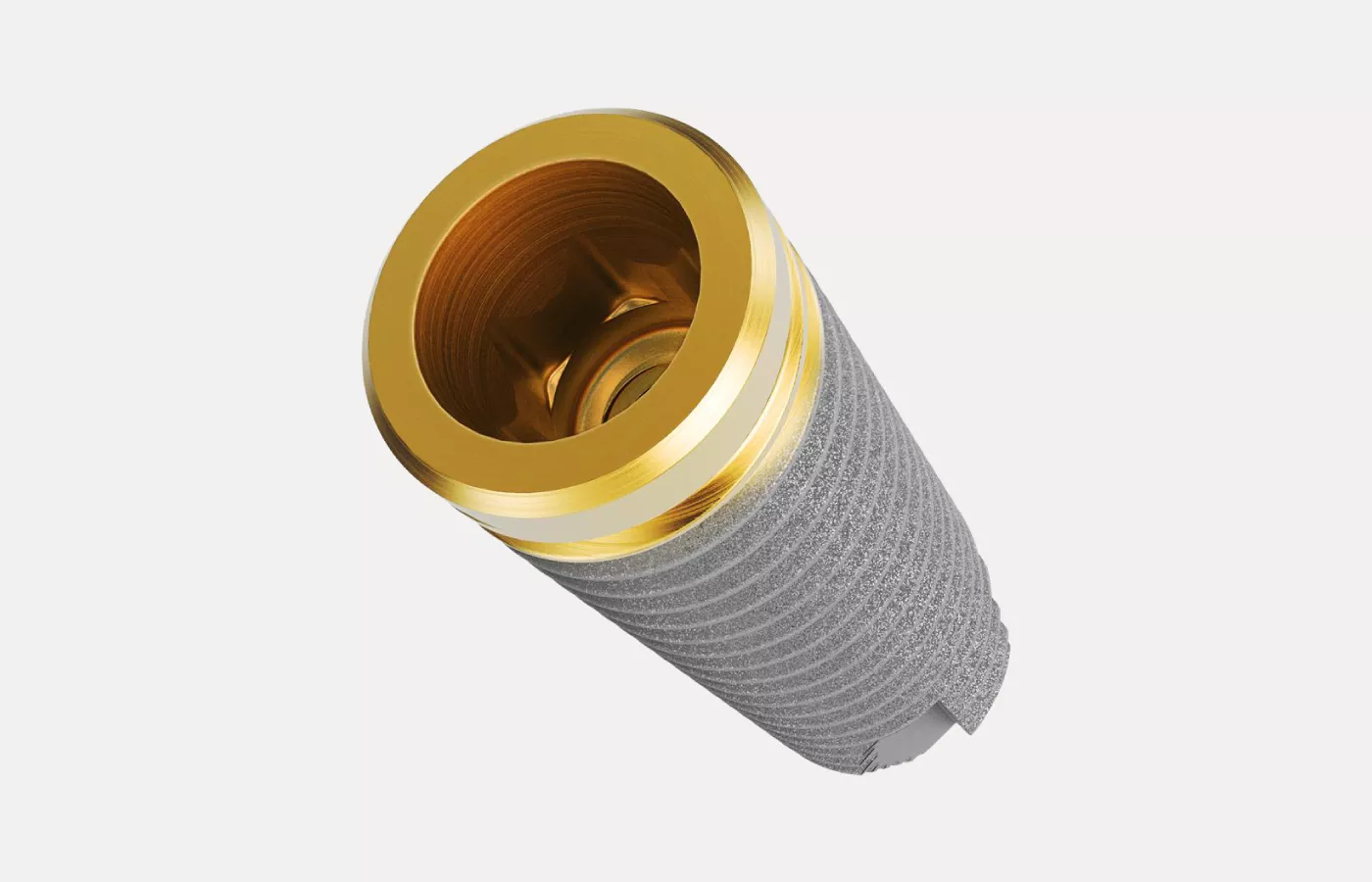
The S Series, introduced in February 2026, is not a new implant shape. It takes the three established Nobel Biocare bodies — NobelActive, NobelParallel and NobelReplace — and standardises all of them onto a single NP conical prosthetic connection, at every diameter.
- Implant bodies
- NobelActive S, NobelParallel S, NobelReplace S
- Prosthetic connection
- Single NP conical, at every diameter
- Surface options
- TiUnite or TiUltra
-
NobelPearl®
A two-piece ceramic implant, for patients who do not want metal
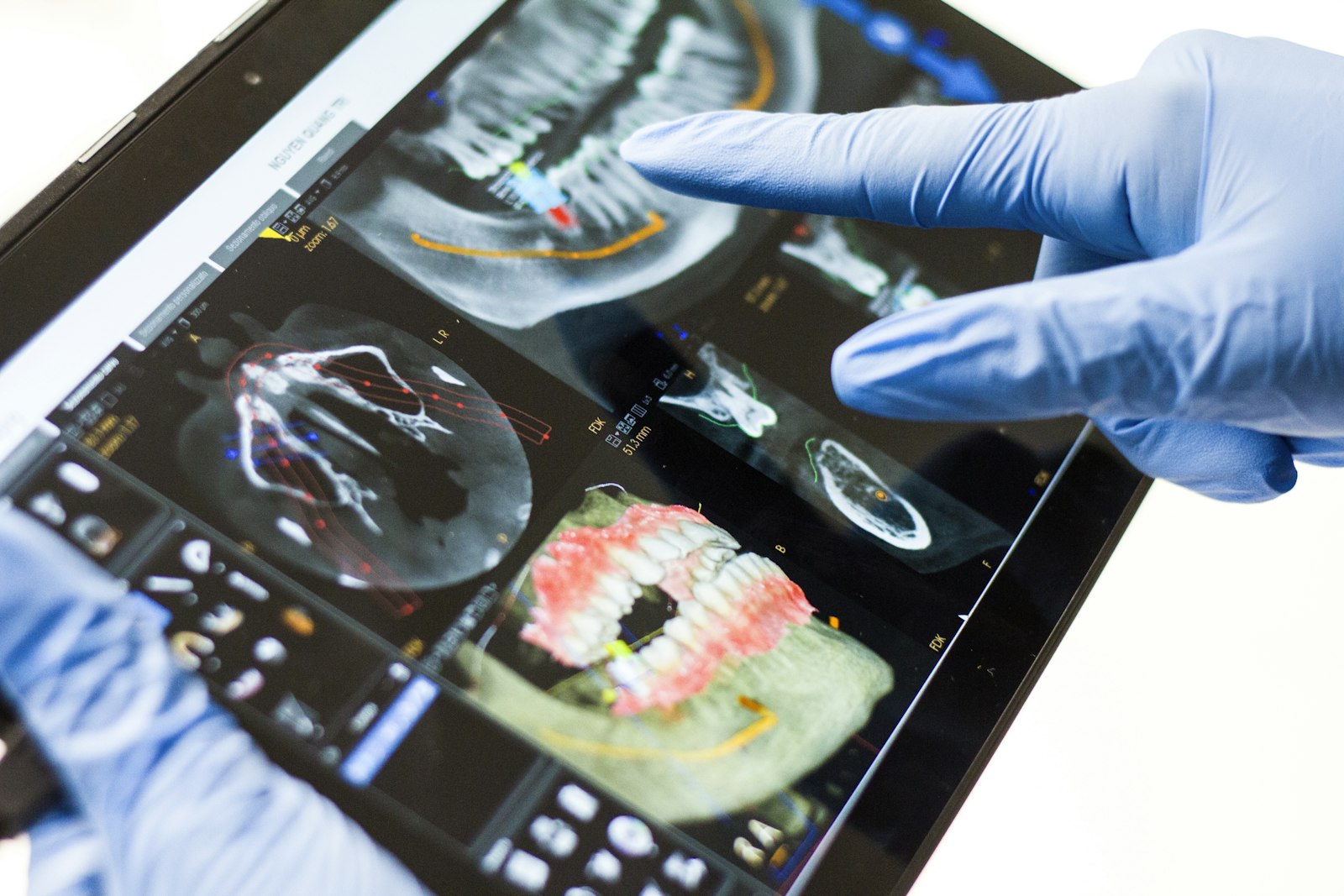
NobelPearl is a metal-free implant made from alumina-toughened zirconia rather than titanium. It is two-piece — implant and abutment separate, as with a titanium system — which gives it far more restorative flexibility than the one-piece ceramic implants that came before it, and it uses a cement-free connection secured by a carbon fibre reinforced polymer screw.
- Material
- Hot isostatically pressed alumina-toughened zirconia (ATZ)
- Construction
- Two-piece, implant and abutment separate
- Connection
- Cement-free, ceramic internal
-
Brånemark System, NobelSpeedy & legacy platforms
What you probably have if your implants went in more than a decade ago
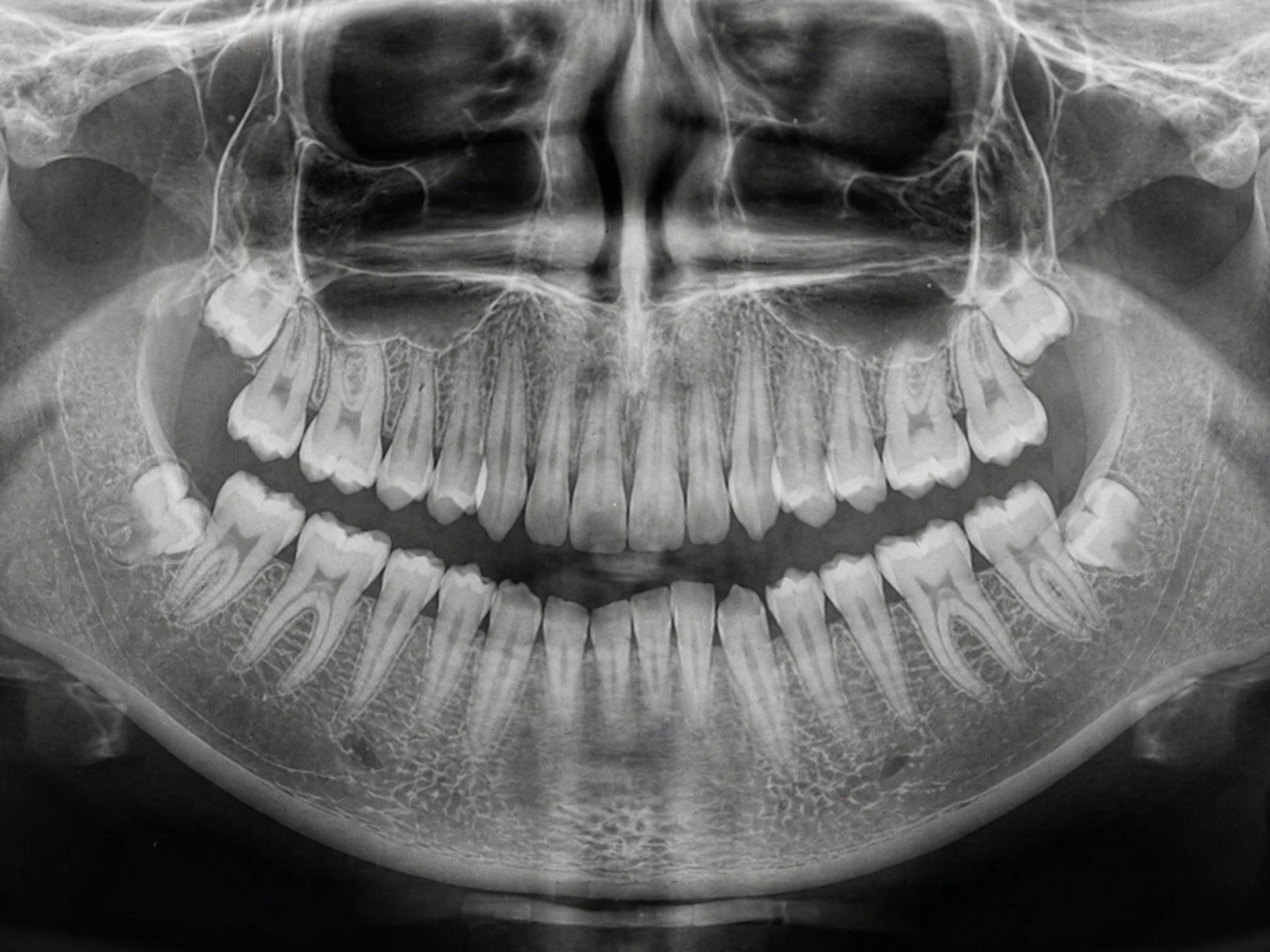
If you had implants placed in the 1990s or 2000s, they were most likely a Brånemark System implant with an external hex connection, a NobelSpeedy, or a Replace with an internal tri-channel connection. These systems are not obsolete curiosities — they are the historical foundation of osseointegrated implantology, millions were placed, and a great many are still working.
- Brånemark System
- External hex connection, machined and later TiUnite surfaces
- NobelSpeedy
- Groovy, Replace and Shorty variants; external hex or internal tri-channel
- NobelReplace / Replace Select
- Internal tri-channel connection, tapered root form
Which Nobel system would be considered for you?
Implant selection is not based on brand preference. Bone volume, bone density, implant position, soft-tissue conditions, bite forces and the possibility of immediate loading are assessed together. Send your X-ray to find out what applies to your case.
A final diagnosis and treatment plan can only be confirmed after clinical examination and appropriate radiological assessment.